
AI for GTM Strategies: AI-Driven Strategies for Go-To-Market Success
Launching a product or service is a thrilling yet challenging journey. As a founder, I’ve been in the trenches, navigating the complexities of bringing innovations to market without a dedicated sales team. The good news? Artificial intelligence is transforming how startups approach their go-to-market (GTM) strategies. By leveraging AI, you can streamline your launch, target the right customers, and scale faster than ever before.
In this post, I’ll share practical, AI-driven strategies that have helped startups like yours achieve significant growth. These insights are tailored for founders in Australia, the USA, and the UK who want to harness AI without needing deep technical expertise.
Understanding AI for GTM Strategies
Before diving into tactics, it’s important to understand what AI can do for your GTM plan. AI is not just a buzzword; it’s a powerful tool that can analyze vast amounts of data, predict customer behaviour, and automate repetitive tasks. This means you can make smarter decisions faster and focus your energy on what matters most - building relationships and refining your product.
For example, AI-powered market research tools can identify emerging trends and customer pain points by scanning social media, forums, and review sites. This gives you a real-time pulse on your target market without spending weeks on manual research.
Another key benefit is AI’s ability to personalise marketing messages at scale. Instead of generic emails or ads, AI can tailor content based on individual preferences and behaviours, increasing engagement and conversion rates.
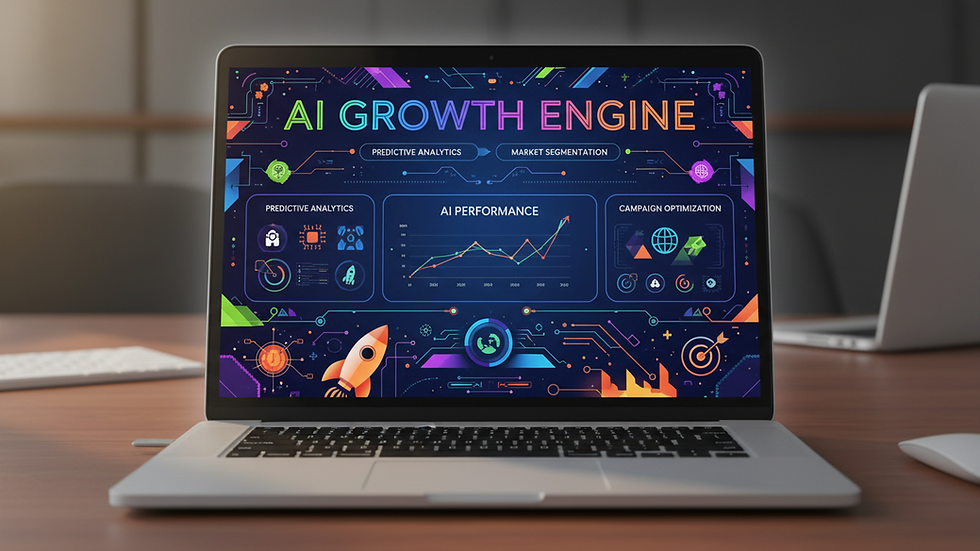
AI analytics tools provide real-time market insights to inform GTM strategies.
Key AI-Driven Strategies to Accelerate Your GTM Success
Here are some actionable AI-driven strategies that can transform your go-to-market approach:
1. Customer Segmentation and Targeting
AI algorithms can segment your potential customers based on demographics, behaviour, and preferences. This segmentation allows you to create highly targeted campaigns that resonate with each group. For instance, AI can identify which segments are more likely to convert early adopters versus those who need more nurturing.
Actionable tip: Use AI tools to analyse your existing customer data or publicly available datasets to build detailed buyer personas. Then, tailor your messaging and offers to these personas.
2. Predictive Sales Forecasting
Without a sales team, forecasting demand can feel like guesswork. AI models can predict sales trends by analysing historical data, market conditions, and competitor activity. This helps you allocate resources wisely and avoid over or under-investing in marketing.
Actionable tip: Integrate AI forecasting tools with your CRM or sales platform to get ongoing predictions and adjust your GTM tactics accordingly.
3. Content Creation and Optimisation
Creating content that drives engagement is time-consuming. AI-powered content generators can help you draft blog posts, social media updates, and email campaigns quickly. Moreover, AI can optimise your content for SEO by suggesting keywords and improving readability.
Actionable tip: Use AI writing assistants to generate first drafts and then personalise the content with your unique voice and insights.
4. Chatbots and Customer Support Automation
AI chatbots can handle common customer queries 24/7, freeing you up to focus on strategic tasks. They can also qualify leads by asking pre-set questions and routing high-potential prospects to you or your team.
Actionable tip: Deploy a chatbot on your website or social channels to engage visitors instantly and collect valuable data on their needs.

AI chatbots provide instant customer support and lead qualification.
Leveraging AI for Market Entry and Expansion
Entering a new market or expanding your reach requires precise planning. AI can help you identify the best channels, pricing strategies, and partnerships to maximise your impact.
For example, AI tools can analyse competitor pricing and customer feedback to recommend optimal price points. They can also identify influencers and potential partners who align with your brand values and audience.
When expanding internationally, AI-driven translation and localisation tools ensure your messaging resonates culturally and linguistically with new markets.
Practical Steps to Start Using AI in Your GTM Plan
If you’re wondering how to start using AI for your go-to-market plan, here’s a simple roadmap:
Define your goals: What do you want to achieve? More leads, faster sales, better customer insights?
Gather your data: Collect customer data, website analytics, and market research.
Choose the right AI tools: Look for user-friendly platforms that don’t require coding skills.
Test and iterate: Start small with one AI application, measure results, and refine your approach.
Integrate AI into your workflow: Make AI a regular part of your marketing, sales, and customer support processes.
For those interested in a deeper dive, I recommend exploring resources on using ai for go-to-market plan to get tailored advice and case studies.
Embracing AI as a Growth Partner
AI is not a magic bullet, but it is a powerful partner in your GTM journey. By embracing AI-driven strategies, you can overcome common startup challenges like limited resources, lack of sales expertise, and market uncertainty.
Remember, the goal is to use AI to amplify your strengths and make smarter decisions faster. With the right mindset and tools, you can unlock new growth opportunities and build a scalable, sustainable business.
Start small, stay curious, and keep learning. Your AI-powered GTM success story is just beginning.


Comments